



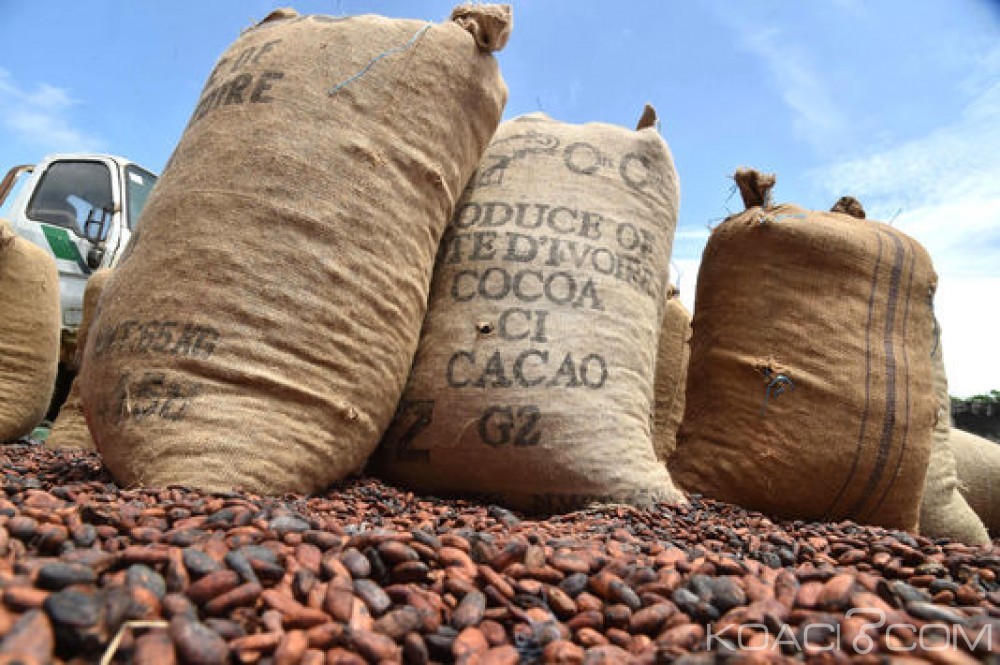
Facing a critical slowdown in domestic marketing, the Coffee-Cocoa Council (CCC) officially launched, on Thursday, January 29, 2026, a strategic operation to buy back unsold cocoa stocks. Chaired by Koné Brahima Yves, Director General of the CCC, this initiative aims primarily to release the volumes immobilized by producers and to ensure the maintenance of their incomes. This safeguard measure, dictated by the presidency of the Republic, is intended to protect the farmers whose production from the main 2025-2026 campaign had been suffering until now.
The Transcao industrial complex, located in the Akoupé-Zeudji area (PK24), is the operational pivot of this device. By relying on the storage capacities of TRANSCAO and the support of national operators, the regulator intends to relieve the collection circuits. This choice of a state-of-the-art industrial site underscores the desire to coordinate the removal of beans to secure storage centers, thus restoring essential fluidity within this highly strategic sector for the Ivorian economy.
This massive intervention responds to two systemic crises identified since the beginning of January 2026. On the one hand, a major logistical blockage at the Autonomous Port of Abidjan, caused by delayed ships, slowed down the evacuation of products internationally. On the other hand, a liquidity deficit in the commercial circuit hindered the effective payment of producers. The unloading operation launched by the CCC therefore acts as a substitute lever to overcome the temporary failures of the traditional marketing system.
Through this action, the Coffee-Cocoa Council reaffirms its regulatory mission and its duty to supplement private actors in case of market dysfunction. By injecting the necessary means to absorb the stocks, the regulatory body ensures the continuity of the economic circuit between the bush and export ports. As Koné Brahima Yves emphasized, this capacity to react is essential to preserve the balance of the sector and ensure that every market opportunity remains accessible despite global logistical constraints.

