



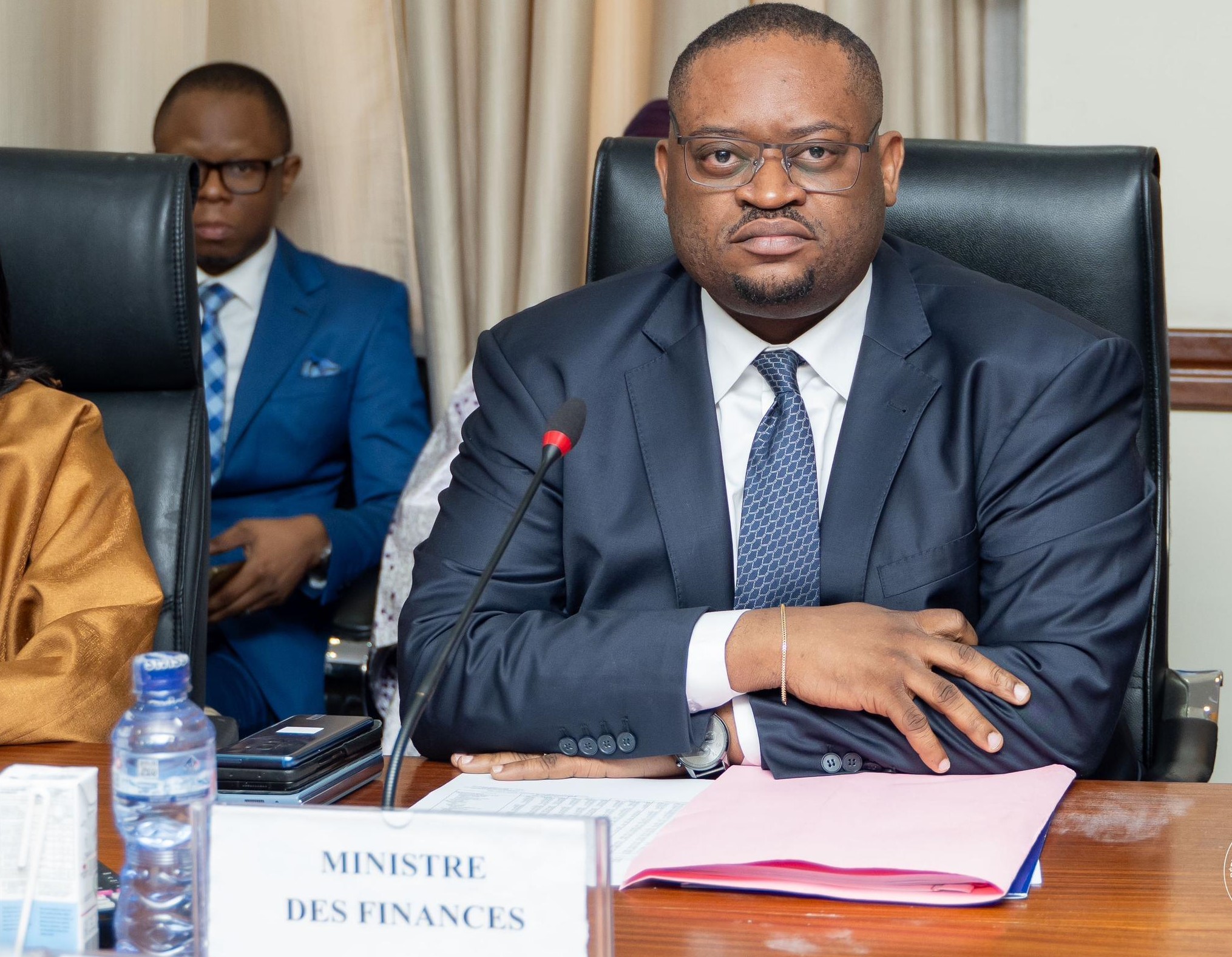
In a statement released by the Ministry of Finance on January 20, 2026, the Congolese government mobilized nearly 192 million dollars in 2025 through a reform of the tax expenditure related to the importation of finished petroleum products.
According to the authorities, revenue from petroleum products increased by nearly 1,700%, following the exclusion of mining companies and their subcontractors from the subsidy and exemption regime. In concrete terms, monthly revenues increased from an average of 4.43 billion Congolese francs (about 2 million USD) between January and July 2025 to 78.5 billion CDF between August and December. For the entire year, these revenues amounted to 423.6 billion CDF, or nearly 192 million USD.
In its statement, the Ministry of Finance emphasizes that “this reform, carried out in solidarity by the government, the General Directorate of Customs and Excise (DGDA), has significantly improved the level of revenues mobilized.”
It should be noted that petroleum tax expenditure amounted to 1.6 billion dollars in 2022, before falling to 1.1 billion dollars in 2023, representing an average of 15% of the state’s current revenues for these two years. This high level of subsidies and exemptions weighed heavily on public finances, prompting the authorities to initiate a reform.
The 2025 Finance Law thus confirmed the end of subsidies and tax exemptions applicable to land and aviation fuels, including gasoline, kerosene, diesel, fuel oil, lamp oil, and LPG, when they are intended for mining activities or sold to companies in the sector and their partners. This direction was formalized by an interministerial order signed on May 2, 2025 by the ministers responsible for National Economy, Finance, and Hydrocarbons.
Furthermore, customs revenues. As of the end of December 2025, these amounted to 6,848 billion Congolese francs (about 3.13 billion USD), exceeding the 6,280 billion CDF (2.87 billion USD) initially budgeted in the 2025 Treasury Plan, representing an execution rate of 109%.
Implemented from the end of July 2025, the reform was accompanied by the establishment of a specific tariff structure for fuels in the mining sector, mainly in the southern and eastern regions of the country. In parallel, the Ministry of Finance targeted the suspension of certain import exemptions, while the Ministry of Hydrocarbons strengthened control and traceability measures to ensure their effectiveness.

