



The January 2026 election marks a structural transformation of the political landscape in Benin. While the presidential movement has adapted to the requirements of the new Electoral Code through strategic mergers, the radical opposition has isolated itself in a fatal manner, choosing to ignore the alliance mechanisms provided by the law.
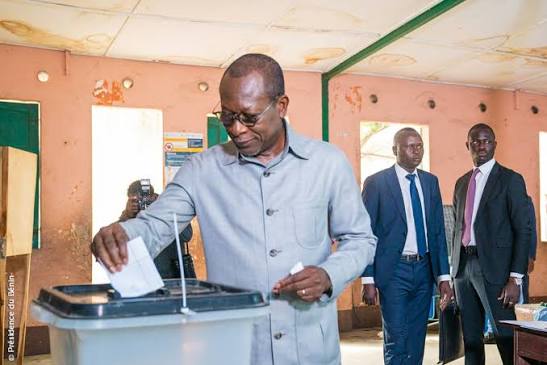
Benin has just reached a decisive stage in the consolidation of its institutional environment. Far from the tensions of the past, the 2026 legislative elections took place in a remarkably serene atmosphere, confirmed by the consistent reports of the African Union (AU) mission and the platform of civil society organizations (CSOs). This operational fluidity is not by chance, but the result of a reform that has forced the actors to adhere to administrative rigor. If there was a delay in the announcement of results, it is logically explained in this exceptional context of dual legislative and municipal elections.
The discipline of the major blocs: the success of the Presidential Movement
Reaching the 20% threshold per constituency was not simple, even for government supporters. However, where some denounced a barrier, the Union Progressiste le Renouveau (UP-R) and the Bloc Républicain (BR) saw it as an imperative for transformation. By absorbing satellite forces (such as the UP-PRD merger or the integration of Renaissance Nationale), the majority accepted to sacrifice individual egos on the altar of collective strength. These parties have become true “party-organizations,” capable of managing electoral logistics across all 24 constituencies.
The alliance: the way out that Les Démocrates refused to open
One of the most overlooked points of the 2024 reform is yet the most crucial: the law allows for reducing the pressure of the threshold through the coalition mechanism. By submitting a coalition agreement to the CENA, parties can be allocated seats if they together reach 10% of the votes at the national level, instead of the 20% per constituency required for a solo run.
This is where the amateurism of the Les Démocrates (LD) party becomes evident. By locking themselves in a posture of “purism” and refusing any alliance with other opposition forces, the LD leadership deliberately chose the most difficult path. This lack of strategic foresight explains the defection of six of its founding members, who preferred to join more realistic structures.
A plebiscite for reform and stability
The election results speak for themselves: Beninese citizens have overwhelmingly endorsed this trajectory. By voting for structured blocs, voters have expressed their rejection of political spectacle and short-lived micro-parties.
This vote is not just a support for the presidential majority; it is a vote for clarity. The people have chosen to strengthen a system where parliamentary debate takes place between responsible and organized forces. This citizen endorsement of the “Beninese way,” combining legislative rigor and electoral efficiency, offers the country an institutional stability that now serves as a model in a sub-region in search of reference points. The proof is that the six deputies who left LD to join the majority were elected, unlike their former colleagues.

