



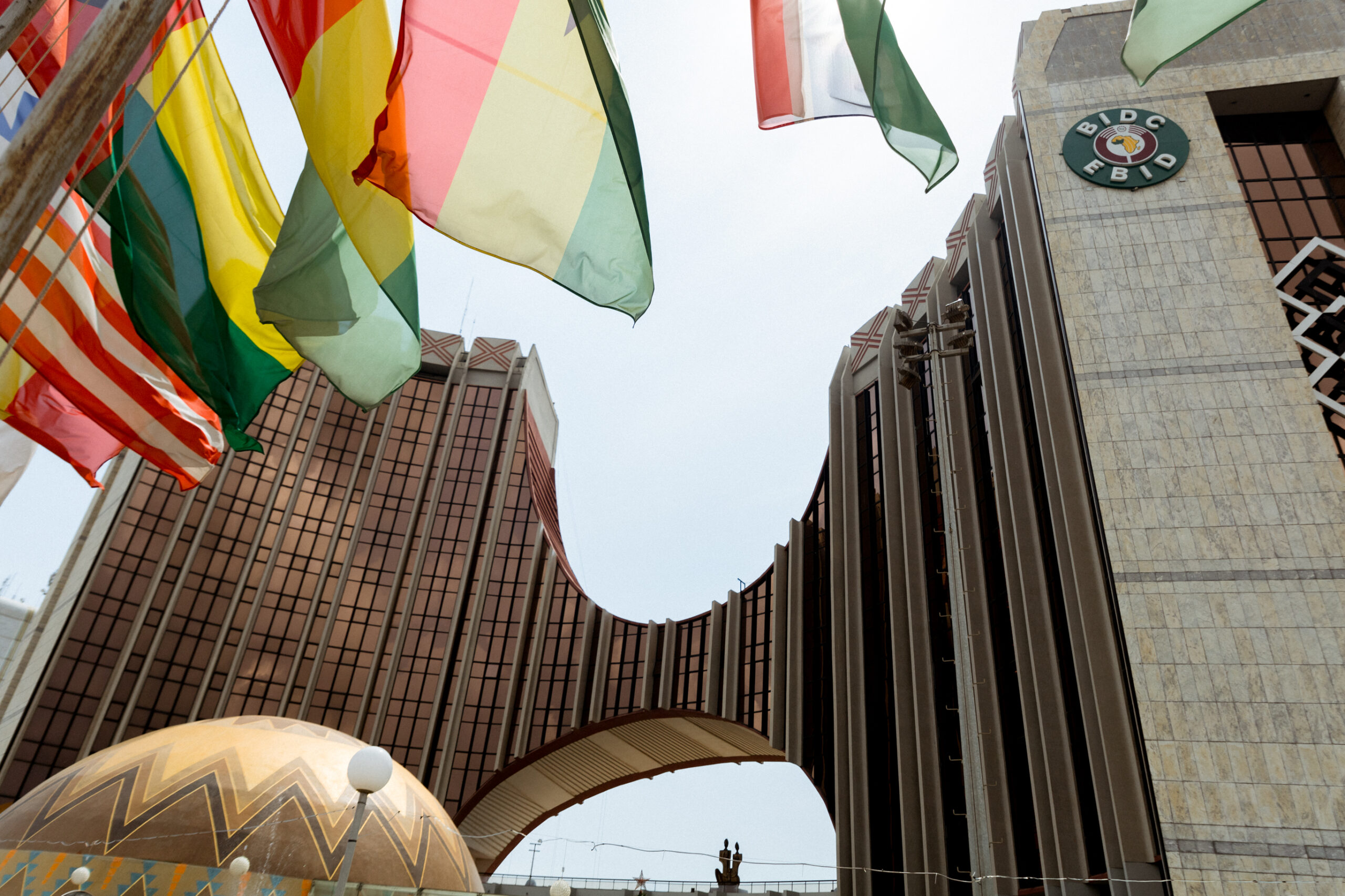
The ECOWAS Bank for Investment and Development (EBID) has approved over $101 million in funding for critical infrastructure and projects in Sierra Leone and Guinea. The approvals, made during the Bank’s 94th Board Session, exemplify how regional development institutions are advancing global priorities, from clean energy transition to digital governance, through targeted, high-impact investments.
Chairing the session, the President and Chairman of the Board of Directors, Dr George Agyekum Donkor, underscored the broader significance of the commitments. “These investments are more than regional undertakings; they are actionable blueprints for achieving the United Nations Sustainable Development Goals,” stated Dr. Donkor. “By modernising energy grids and institutionalising data-driven governance, we are empowering West African nations and also contributing to the global efforts to build resilient, inclusive, and sustainable economies.”
The approved projects are designed as models of partnership and innovation with relevance beyond West Africa:
- Sierra Leone Energy Transmission Project ($79.389 million): This initiative to construct a 225 kV and 66 kV transmission network is a cornerstone for national energy security and a critical enabler for industrial growth. In a global context, it represents an essential step in the just energy transition for developing economies, directly reducing reliance on unsustainable power sources, and enhancing capacity for renewable energy integration. It serves as a replicable model for upgrading foundational infrastructure to unlock economic potential and foster cross-border energy trade.
- Guinea National Development Observatory & Digital Atlas Project ($21.808 million): This investment in modernising development governance through geospatial data and digital planning tools is a strategic move toward institutional transparency and efficacy. Globally, it highlights the imperative of “data sovereignty” and digital transformation for effective public administration. The project establishes a framework for evidence-based policy-making that can inspire similar reforms in other nations seeking to optimise resource allocation and development planning.
EBID’s financing is strategically aligned with key United Nations Sustainable Development Goals with the aim of translating regional action into tangible progress. It directly advances SDG 7 by strengthening and modernising clean energy transmission, while simultaneously supporting SDGs 8 and 9 through the catalytic effect of industrial activity and resilient infrastructure on economic growth. Furthermore, the co-financing model and institutional capacity-building exemplify a core commitment to SDG 17, underscoring the power of partnerships to achieve these universal objectives.

