



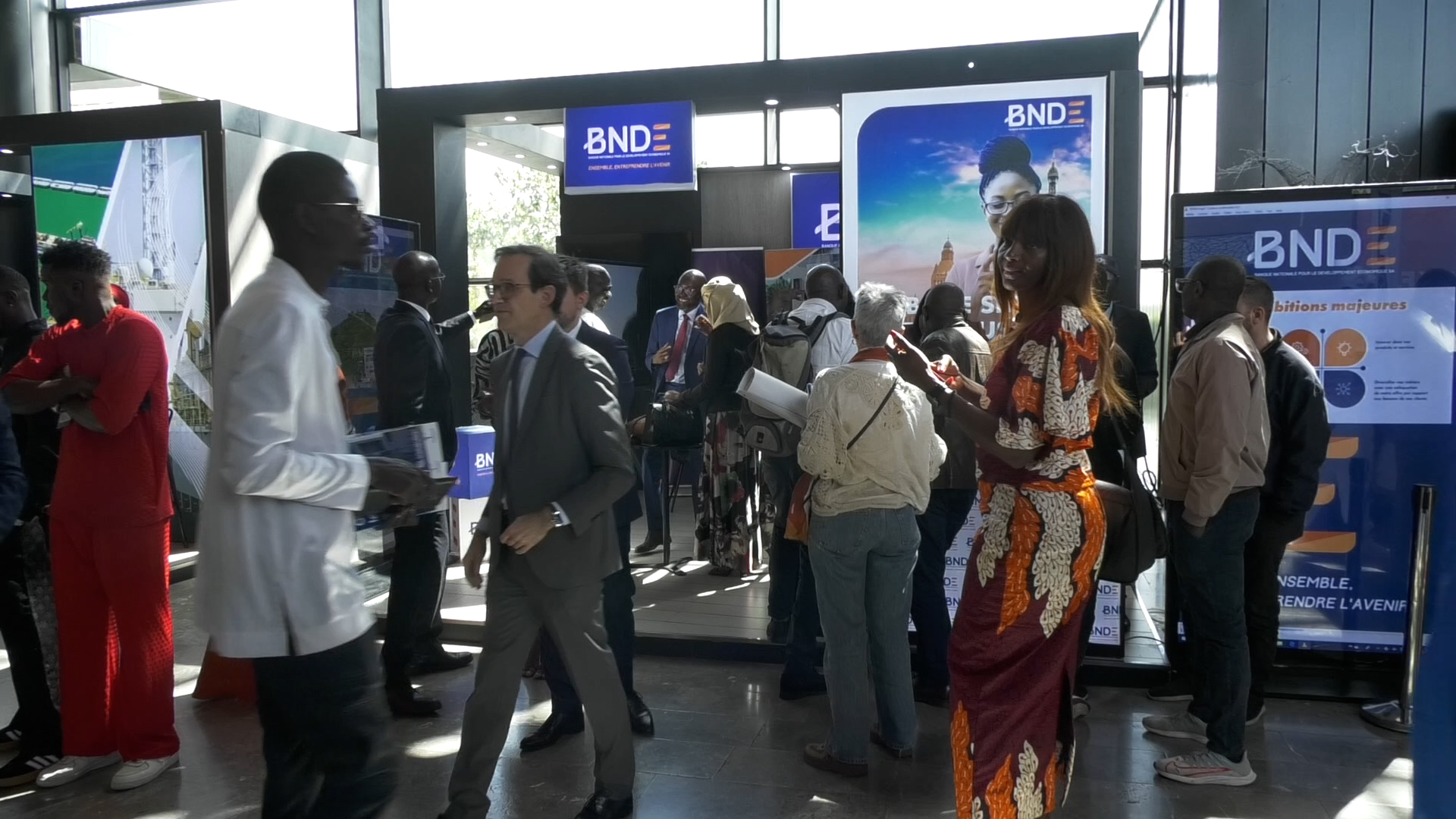
In Senegal, the first National Diaspora Day (NDD), held on December 17, 2025 at the Abdou Diouf International Conference Center (CICAD), is seen as a decisive step in the country’s economic and social transformation strategy. President Bassirou Diomaye Faye reaffirmed an ambitious vision: to place the diaspora at the heart of the Senegal 2050 framework and make it a driver of economic sovereignty, innovation, and modernization of the state.
“The diaspora is not just a source of financial transfers; it is a strategic lever for economic and technological transformation,” said the head of state, praising a community that is “talented, creative, and fully integrated into the nation.” He emphasized that expatriates are “a driving force, an economic, cultural, scientific, and technical pillar,” expressing the desire to build a sustainable, structured, and mutually beneficial partnership.
Beyond the tributes, the president announced several key initiatives: reform of civil status and consular services, modernization of procedures for issuing administrative documents, enhanced protection of citizens abroad, and above all, the establishment of innovative financial mechanisms for access to housing and secure investment. The goal is to transform fund transfers into productive capital and structuring investments.
In this dynamic, the National Bank for Economic Development (BNDE) has emerged as a central player in this first edition, through a dedicated exhibition and co-hosting the inaugural panel on diaspora support mechanisms.
For Papa Samba Yacine Diop, Director of Retail and SME Banking, this day sent a clear message: “The development of a country relies on its resources, both financial and human. The diaspora represents both. It is not always aware of its strength: more than 10% of the national GDP.”
He emphasized the need to redirect transfers towards productive investment: “We want the diaspora’s savings to be used to finance SMEs, an essential driver of our economy.”
BNDE, faithful to its mission as a public bank dedicated to development, aims to strengthen trust, support project structuring, and establish strategic partnerships, particularly with international actors such as AFFI. “We will help the diaspora structure, finance, and secure their projects. Our ambition is for them to invest, return, and fully contribute to the national economy.”
Articulated around political, economic, entrepreneurial, and cultural components, National Diaspora Day has laid the foundations for a new framework of cooperation between the state, financial institutions, and Senegalese people around the world.
It confirms a now shared conviction: the diaspora is no longer a peripheral actor but a strategic pillar of Senegal in 2050, serving sovereignty, economic inclusion, and the country’s overall competitiveness.

