



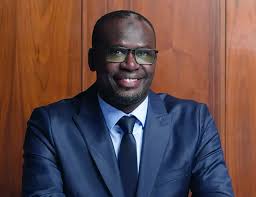
On Saturday, December 13, 2025, in Dakar, the closing ceremony of SONACOS’ fiftieth anniversary took on a special dimension when its CEO, El Hadj Ndane Diagne, delivered a dense, solemn, and strategic speech. As the peanut sector faces increased foreign competition, price volatility, and a sensitive debate around export taxes, the head of the National Oilseed Company of Senegal emphasized the vital role of the company in food sovereignty and the lives of millions of rural people.
This final stage, after Louga, Diourbel, Kaolack, and Ziguinchor, highlighted the deeply national character of this fiftieth anniversary. “SONACOS is not just a company, it is a national heritage,” emphasized El Hadj Ndane Diagne, paying tribute to the pioneers, the elders, and the victims of the tragic incident of 1992. Fifty years of industrial history, rural commitment, and collective resilience have shaped this institution at the heart of the Senegalese economy.
In a peanut market marked by strong tensions, the so-called “virtuous” tax on seed exports, aimed at encouraging local processing, is sparking a major economic debate. While it aims to secure the supply of national industrialists, it must be accompanied by a fair on-farm price for farmers to avoid jeopardizing their income when foreign buyers offer higher prices. Thus, setting the price remains one of the central nodes in an equation where agricultural sovereignty, market attractiveness, and producer interests intersect.
For the CEO, the key lies in maintaining a robust national champion capable of absorbing production, stabilizing prices, and protecting the sector from external fluctuations. “SONACOS has been, still is, and must remain a Senegalese industrial champion,” he emphasized. In this sense, he stressed the rapid and full implementation of the 14 measures from the last interministerial council, essential for modernizing factories, enhancing competitiveness, valorizing local production, and sustainably supporting the rural world.
El Hadj Ndane Diagne also made a strong appeal to the workers, the “soul of the company,” urging them to unity, discipline, and cohesion. To farmers, the first partners of SONACOS, he expressed gratitude and respect: their work and know-how remain at the very foundation of the sector. To consumers, he delivered a clear citizen message: support the national industry by choosing local oil.
The economic impact of SONACOS goes beyond its walls: wherever it establishes itself, it generates direct and indirect jobs, stimulates trade, logistics, services, and irrigates local economies. “Wherever SONACOS settles, an entire territory develops,” summarized its CEO.
While the Senegal Vision 2050 places food sovereignty at the center of public action, El Hadj Ndane Diagne projects the next fifty years under the sign of three cardinal values: integrity, performance, and responsibility. With the commitment of workers, producers, and the state, he promises a SONACOS “stronger, more modern, more competitive, and more Senegalese than ever before.”

