



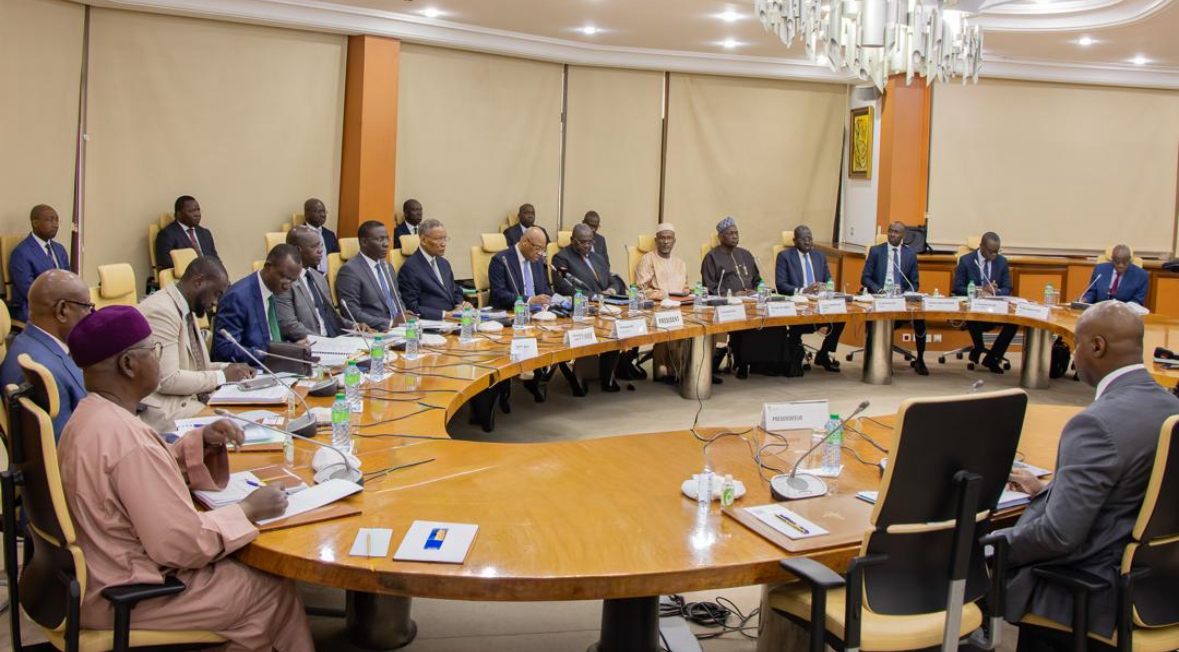
A decision explained by strong growth and a significant decrease in inflation
The Monetary Policy Committee of the Central Bank of West African States (BCEAO), meeting on December 3, 2025, decided to maintain the current direction of its monetary policy. The main key interest rate at which the central bank refinances banking institutions remains at 3.25%, while the marginal lending facility interest rate remains at 5.25%, a level in effect since June 16, 2025. The reserve requirement ratio applicable to banks in the Union is also maintained at 3%. These decisions are based on the analysis of recent economic conditions: evolution of economic activity, price levels, external situation of the Union, and short-term outlook.
According to the committee, the economic momentum remains strong. Real GDP grew by 6.6% in the third quarter of 2025, after 6.5% in the previous quarter. This performance is driven by strong household consumption and continued investments, especially in socio-economic infrastructure. Economic activity also benefits from a good agricultural season, the resilience of the services sector, and the dynamism of the extractive and manufacturing industries.
This expansion is supported by satisfactory financing of the economy: bank credits to the private sector increased by 6% year-on-year at the end of September 2025. For the whole year, Union growth is expected to be around 6.7%, after 6.2% in 2024.
Inflation decreased to -1.3% in the third quarter of 2025, compared to 0.3% in the previous quarter. This decline is explained by the decrease in prices of imported food and energy products, as well as the improvement in the local supply of cereals. On an annual average, the inflation rate is expected to be 0.2% in 2025, compared to 3.5% in 2024.
However, the committee notes that the inflation scenario remains exposed to several upside risks: geopolitical and trade tensions that could affect global prices of food and energy products, as well as the persistence of security challenges in the sub-region. At the same time, the Union’s external trade has strengthened thanks to the increase in exports of several products, the rise in gold and cocoa prices, and the decrease in food and energy import costs. The increased mobilization of external resources by member states has also contributed to this improvement.
In view of these elements, the Monetary Policy Committee reaffirms its vigilance regarding risks that could impact price stability and the external balance. It stands ready to adjust, if necessary, its instruments to preserve monetary and financial stability within the Union.

